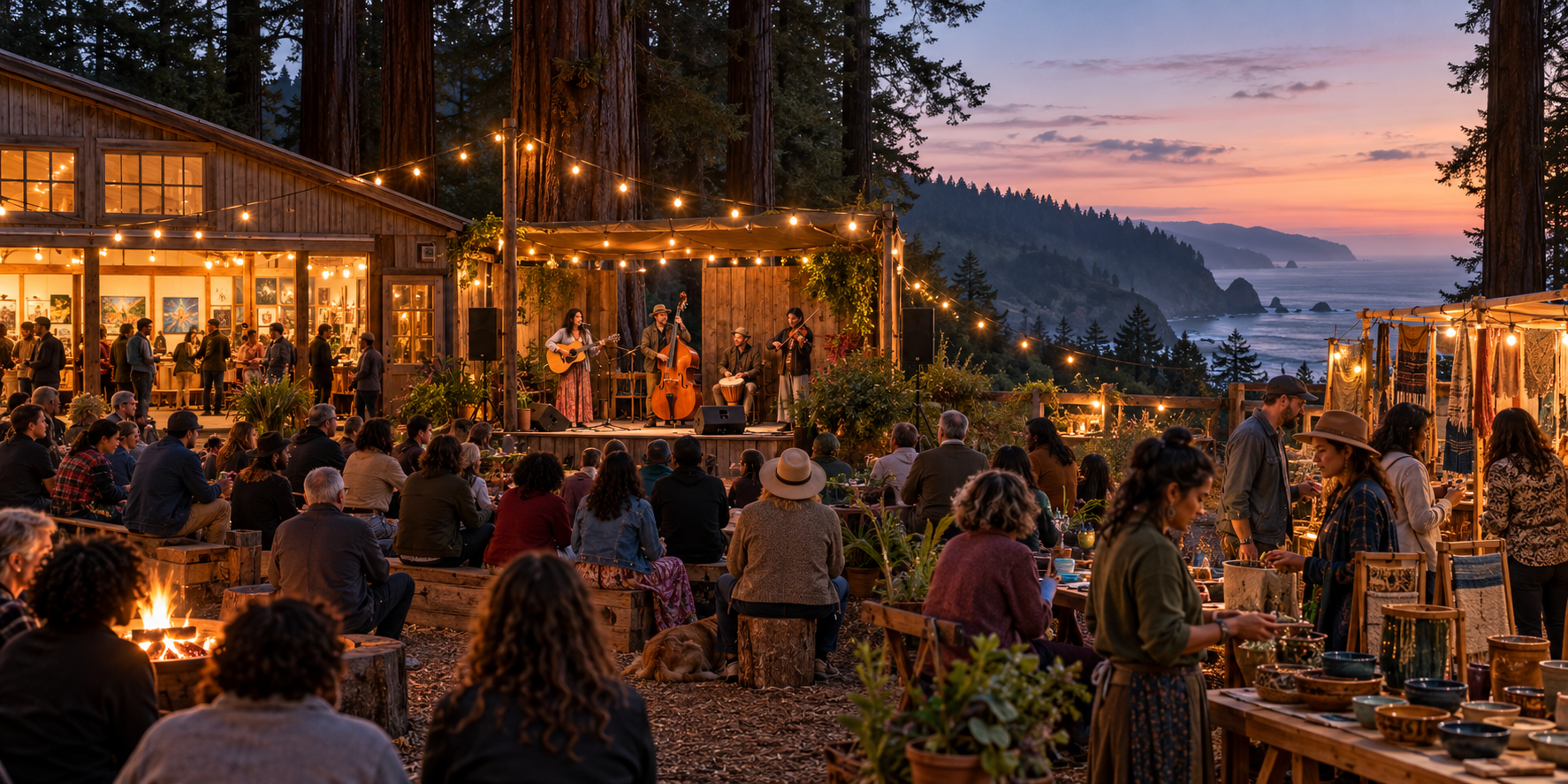
Build a village people can call home for generations.
EcoNomad is developing a beautiful, affordable model for ecovillages: practical design, local enterprise, arts and agritourism, shared infrastructure, and long-term stewardship. Help build the first Center, learn from every decision and prototype, then use the tested method to develop a locally shaped village of your own.
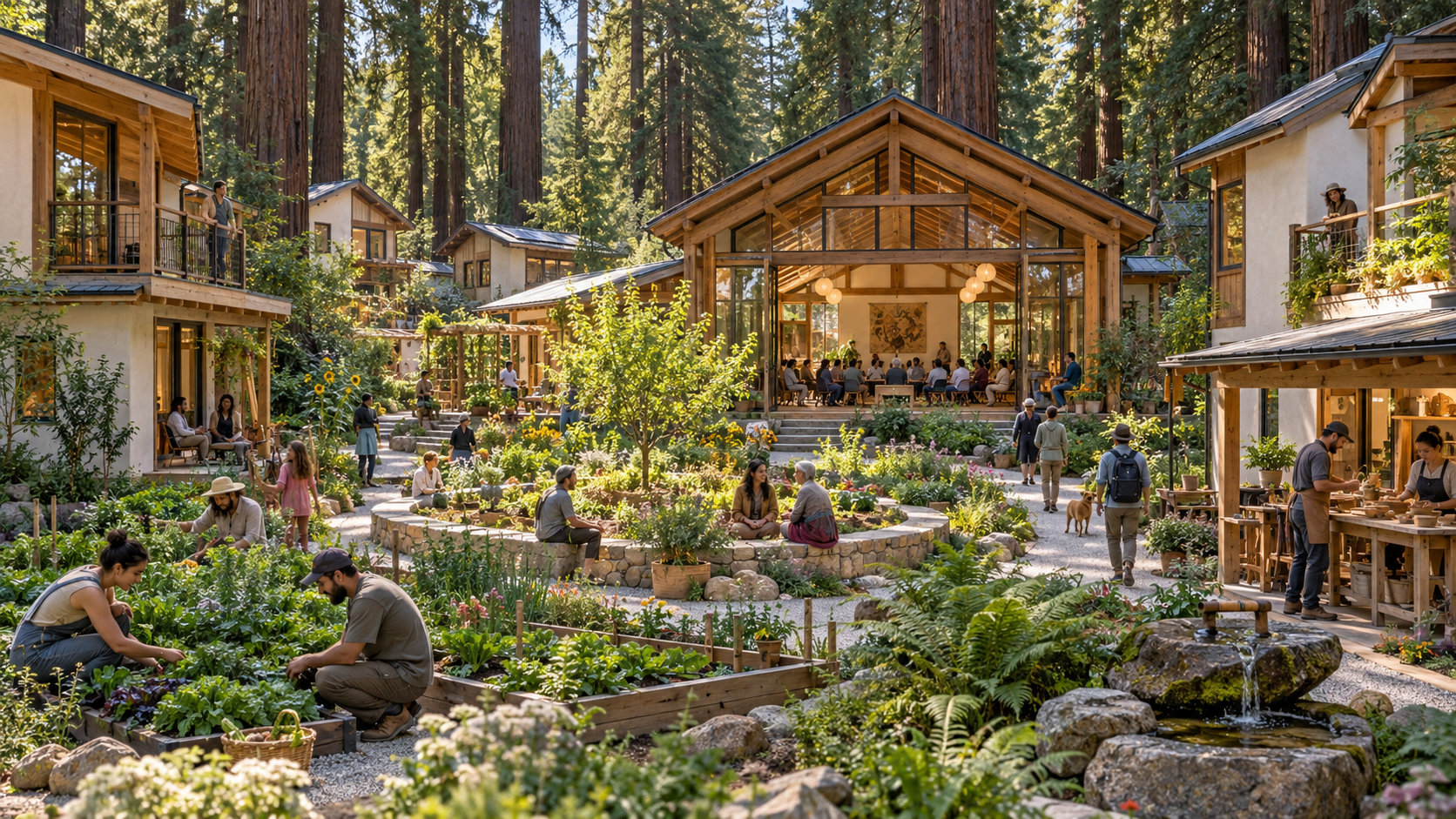
Teach the village. Test the systems. Make it last.
The first Center is both a place and a teaching process. Partners help design, build, operate, and study it; the lessons become tools other communities can adapt. We learn from local knowledge as we build, document what works, and teach the method forward.
Beauty with a budget
Thoughtful homes and commons, durable materials, adaptable construction, water and energy systems, and maintenance designed from the start. Affordability and dignity belong in the same brief.
Start a design brief ↗02 / LEARN BY DOINGA campus built in public
Invitational design rounds, build challenges, and hackathons turn actual campus needs into shared briefs. Architects, engineers, builders, designers, artists, and musicians sharpen their work while helping create the place itself.
Bring your discipline ↗03 / SUSTAIN THE PLACEAn economy that endures
Local businesses, hospitality, arts, training, and useful services can support operations. Each Center needs a plan for routine costs and replacement reserves; the long-term aim is an endowment whose disciplined annual draw helps meet remaining needs.
Frame a stewardship brief ↗Bring your best work. Help build what comes next.
Teams are invited into a continuing series of real design and cultural briefs. They can collaborate, test distinct approaches, present results, and receive public recognition. When a proposal is feasible, agreed and funded, it can become part of the campus. Firms and industries can also convene their own conferences and working sessions here.
Explore the professional program ↗The capital path: Earned activity and eligible project funding establish and test the Center; agreed surpluses and patient capital build reserves and an endowment; a prudent spending policy supports the village without consuming its core. These are design goals to model and govern, not promised returns.
See the stewardship model ↗The first village teaches the next.
EcoNomad is developing a method, not simply asking people to build one destination. Every campus brief, construction choice, operating system, cultural program, and financial decision can become a documented lesson. Participants bring knowledge too; the model improves through work with them.
Learn at the source
A regional Village Center hosts classes, professional challenges, shared facilities, research, and pilot clusters where design and operating methods can be tested in place.
Explore this path ↗02 / THE PATTERNTake the method home
Study the plans, budgets, governance questions, construction methods, mistakes, and measured results. Adapt what fits your land, community, culture, and resources.
Plan a pilot ↗03 / YOUR VILLAGEChoose your form
A community may start with a small pilot cluster and grow toward a locally governed EcoNomad Village under its own agreements. Scale, housing, enterprise, arts, and stewardship are shaped locally; one blueprint is not imposed.
Begin your village ↗The invitation: Bring a site, a discipline, a community, or a problem to solve. Help improve the first Center and take the learning into your own village-building work. Program terms and any future affiliation or certification will be defined with participating communities.
Create your village brief ↗Start with the information people need.
Useful public information is scattered across meeting records, agency pages, and funding notices. EcoNomad is building a practical bridge between those sources and the people who can act on them.
Show the decisions
Follow planning commissions, public programs, and the choices shaping housing, agritourism, work, land, and reuse. Explain what happened in plain language and link back to the record.
Editorial approach ↗ 02 / ORGANIZEFind the resources
Build a sourced, checked resource database for public programs and funding. The internal database exists; a public search experience is in development.
How it is being built ↗ 03 / CONNECTTurn gaps into action
Use the questions people ask to identify unmet needs, inform reporting, and shape better partnership and funding proposals.
Bring a question or partnership ↗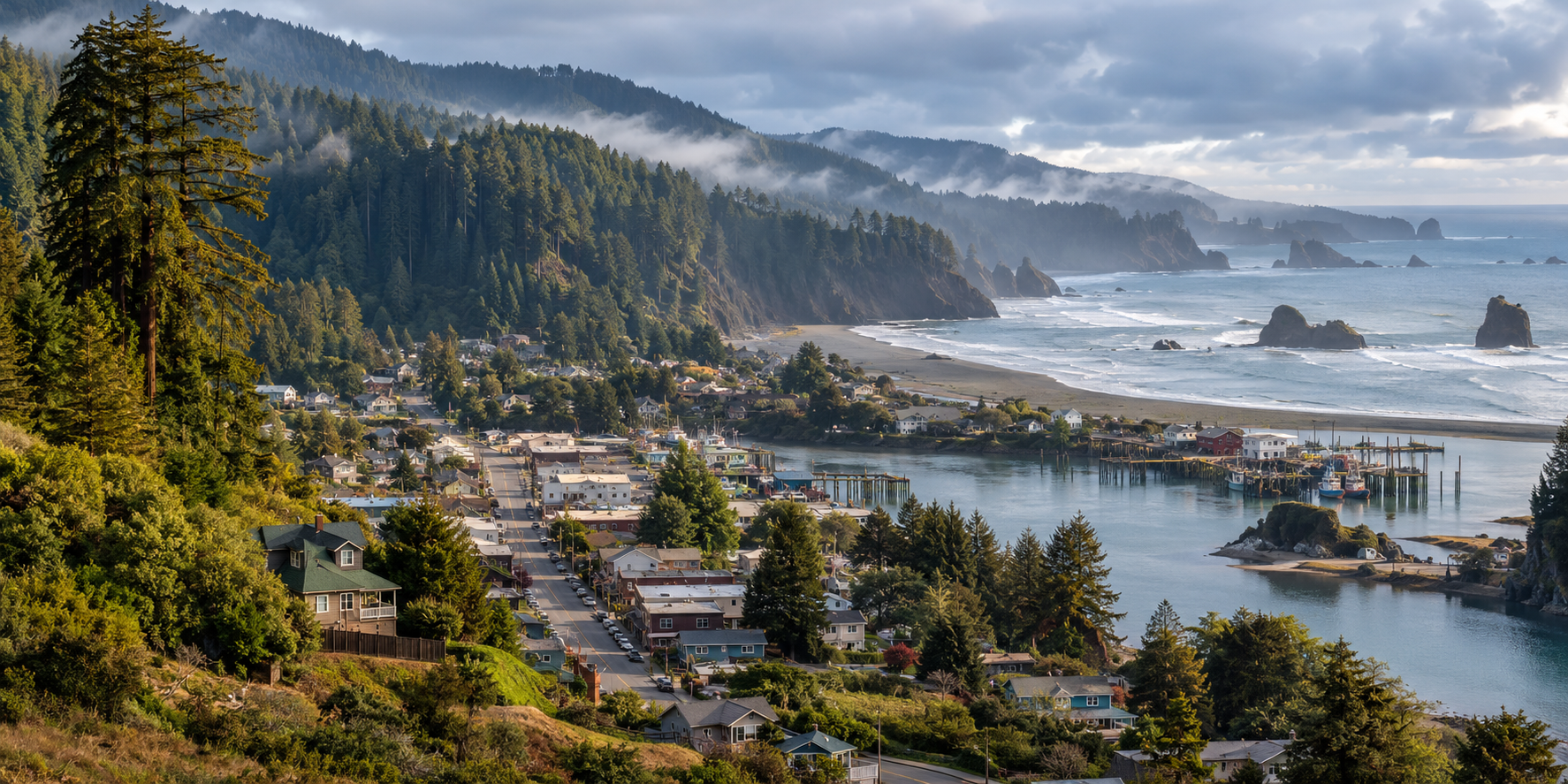
A public record people can actually use.
The magazine is the front door: reported notes, clear explanations, and a living library of ideas behind the work.
Observations from place, practice, and people.
Decisions, public meetings, and source-linked civic reporting.
Research and the longer argument for community-led development.
Editorial coverage begins in Humboldt and Mendocino, with a wider Northern California corridor in view.
Explore the magazine ↗ Read EcoNomadGet the publication in your inbox.
Subscribe to EcoNomad on Substack for new reporting, field notes, and essays.
Subscribe on Substack ↗Sources first. People in the loop.
Automation can help gather and sort information. Every public claim still needs a source, a date, and a way to correct it. Local experience is part of the verification process.
Traceable
Give readers the original notice, meeting record, or program page wherever possible.
Read the publication ↗ TRANSLATEReadable
Turn institutional language into what a person needs to know, why it matters, and what happens next.
Explore the magazine ↗ VERIFYCorrectable
Keep dates and changes visible so a resource list can be maintained rather than merely published once.
Share a correction or source ↗A regional network, built from distinct places.
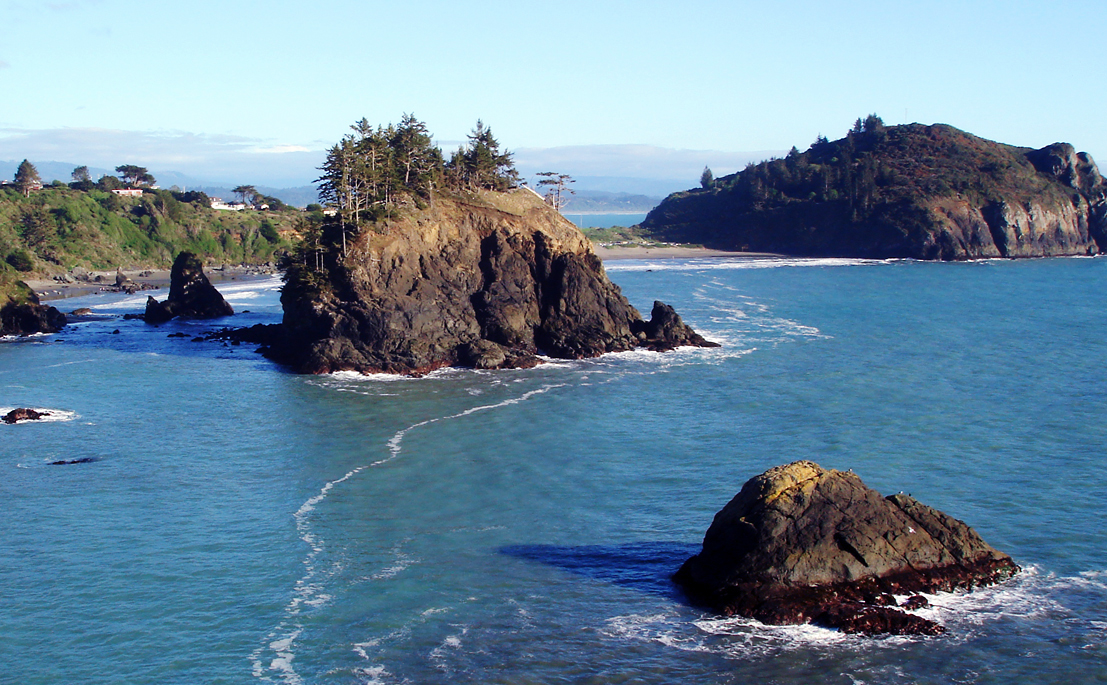
Humboldt County is the proposed starting area for the HMS barter app. Oakland is the planned first physical HMS urban village for moving and independent housing trades. The former Bar-O Boys Ranch area near Gasquet remains a separate proposed EcoNomad Village Center centered on trades, arts, tourism, and pilot villages.
Smaller hybrid subcenters may combine HMS and Village Center functions in urban or rural settings. Later full HMS urban villages are envisioned near large metropolitan areas. The East Coast location may be in the Washington, DC or Philadelphia region; a Texas metro location is undecided. None of these physical sites is announced as acquired or operating.
There is a way into the work now.
Build a village brief, bring professional work, explore a partnership, or register funding and service interest. This short form puts your intent in EcoNomad’s private follow-up list. For a detailed village plan, use the guided starter ↗.
Help EcoNomad build the record and the vision.
A GoFundMe campaign will be linked here for people who want to support the publication, civic research, agritourism interviews, and early community planning. The campaign is not connected yet; no contribution is collected on this site.
When the campaign is ready, this panel will lead directly to its official contribution page.
Three names, distinct jobs.
Graphared builds the research and strategy, including the planned municipal records and agritourism interview pipeline. EcoNomad makes the public case and develops the place-based vision. Harp’s Moving Store (HMS) is the proposed urban village for moving and gig-based housing trades, with reuse emerging from that activity. See how they connect ↗